Buying real estate abroad can be not only an important personal decision but also an effective way to preserve and grow your capital. People purchase apartments, villas, houses, land plots, and commercial properties abroad for permanent residence, vacation, relocation, conducting business, or generating rental income.
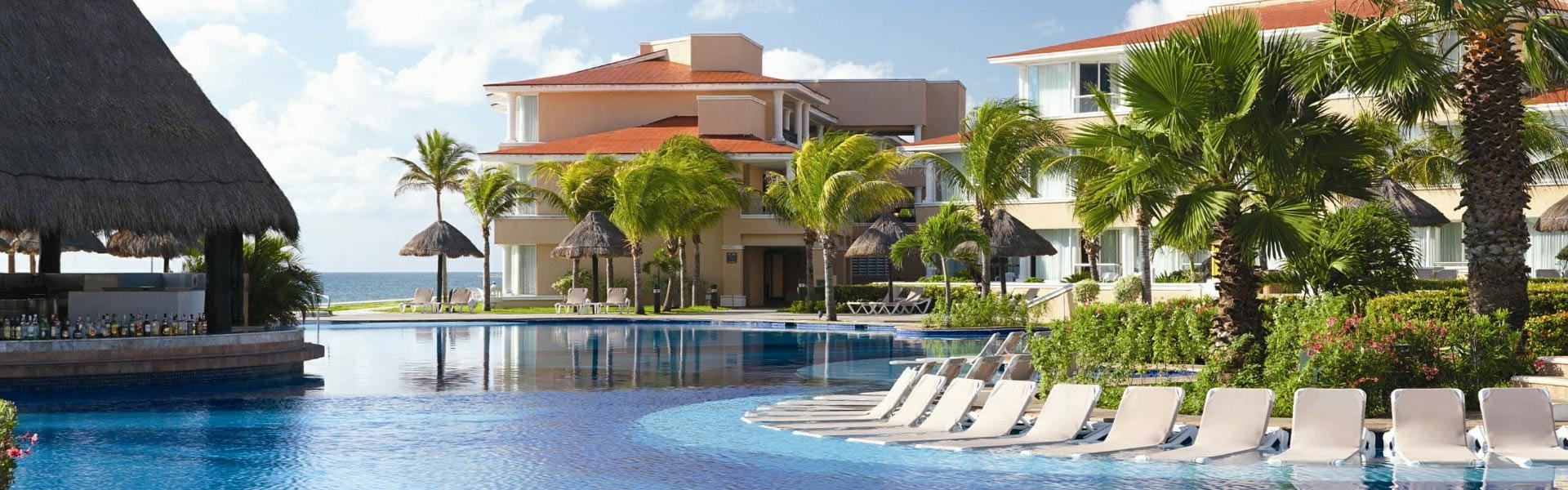
The international real estate market offers a wide selection of properties in various price ranges. Buyers can choose a compact apartment by the sea, a spacious family home, a villa with a pool, a unit in a modern complex, or an investment property with potential for future appreciation.
Why Buy Real Estate Abroad
Real estate is traditionally considered one of the most tangible assets. Unlike many other investment instruments, an apartment, house, or commercial space can simultaneously generate income and be used by the owner for personal needs.
Among the main reasons for buying real estate abroad are:
- preserving capital in a tangible asset;
- generating income from short-term or long-term rentals;
- the opportunity to vacation in one’s own home;
- preparing to move or live abroad long-term;
- diversifying personal and family assets;
- purchasing a property with the prospect of an increase in its market value;
- establishing a base for conducting business or developing your own project.
The investment appeal of a specific property depends on its location, condition, price, infrastructure, rental demand, and the area’s development prospects. That is why, before buying, it is important to evaluate not only the property’s appearance but also the financial, legal, and practical aspects of the future transaction.
What Types of Real Estate Can You Buy
The international market offers both completed properties and properties under construction. Buyers can choose from apartments in residential complexes, coastal apartments, single-family homes, townhouses, villas, penthouses, land plots, and commercial real estate.
Completed properties allow you to assess the actual condition of the property and begin using it sooner. Purchasing real estate in a new complex may include modern floor plans, energy-efficient technologies, landscaped grounds, a swimming pool, parking, security, and additional services for residents.
Properties under construction are often viewed as an investment with the potential for appreciation after the project is completed. However, in such cases, it is especially important to verify the developer, permits, completion dates, and contract terms.
Real Estate for Living and Vacationing
When choosing a home for personal use, it’s important to consider more than just the distance to the sea or tourist attractions. Access to shops, medical facilities, educational institutions, transportation routes, recreational areas, and everyday infrastructure is also crucial.
For permanent residence, people typically choose areas that remain active year-round. For seasonal vacations, resort locations with well-developed tourist infrastructure may be suitable. For families with children, it’s important to consider schools, preschools, neighborhood safety, and convenient transportation links.
Overseas Real Estate for Investment
An investment property should be evaluated first and foremost in terms of potential demand. Properties near the sea, business districts, universities, tourist centers, and transportation hubs typically attract a wider range of tenants.
Before purchasing, it’s worth analyzing the potential rental rate, seasonality, maintenance costs, taxes, utility bills, management company fees, and periods of potential vacancy. A high advertised yield does not always mean high net profit, so the financial model must be calculated taking all associated costs into account.
For one buyer, a compact rental apartment may be the best option; for another, a spacious villa, commercial space, or a property in the early stages of construction. The choice depends on the budget, the investment horizon, and the desired level of the owner’s involvement in property management.
How to Buy Real Estate Abroad
The purchase procedure depends on the laws of the chosen country and the type of property. Typically, the process involves setting a budget, selecting listings, viewing properties, verifying legal compliance, negotiating terms, signing the contract, and registering ownership.
It is also necessary to determine in advance what taxes, government fees, legal costs, and commissions will apply during the transaction. Separate rules may apply to foreign buyers regarding the purchase of land plots or certain categories of real estate.
Professional guidance helps you avoid common mistakes, verify documents, accurately assess the property, and understand the total cost of the purchase before signing the contract.
Assistance in Selecting and Purchasing Real Estate
We help select real estate abroad based on the buyer’s goals, budget, and personal preferences. Our work takes into account the property’s location, its condition, the area’s infrastructure, rental potential, and potential for future value appreciation.
Clients receive support at every key stage—from the initial consultation and creating a shortlist to organizing viewings, verifying documents, and guiding them through the purchase process.
To buy real estate abroad for living, vacationing, or investing, submit a request and provide your key search criteria. We’ll select relevant listings and help you find a property that fits your plans.






 FoxCoreCMS